

Mont de Marie


This website contains no AI-generated text or images.
All writing and photography are original works by Ted Vance.
Related material
Short Summary
On the rocky landscape of Souvignargues, directly west of Nîmes by 20 minutes, Thierry Forestier organically farms his twelve hectares of Carignan, Cinsault, Grenache, Ugni Blanc, and the rare aromatic and fine red, Aramon, on ancient alluvial soils of sandy clay, red iron-rich earth, flint, and rolled "poudingues" stones, with deeper conglomerates lending natural drainage and restraint. Cooled at night by descending air from the Gard’s Aigoual massif that complements the burning summer sun and the Mediterranean and African winds from the south, his stable of old vines (50-100 years old) produces small, balanced harvests of taut, early picked fruit that retain their aromatic purity and delicacy. His love for nature shifted him from a career in tech to a life immersed in farming, foraging, and viticulture, where he observes, rarely touches, but finishes his wines with purposefully clean and precise craftsmanship. Across his cuvées the through-line is freshness and clarity, a conscious selection of fruit in its earliest ripening phase that flutters yet remains taut with bright lift and modest alcohols, especially for this southern French area known for intense summer heat, while still grounded by the wisdom of his old vines. Thierry’s commitment to preserving the region’s heritage varieties, especially Aramon, underpins his production of intricate terroir wines sans artifice.Full Length Story

We love Thierry Forestier’s wines. They bring so much pleasure and demonstrate what can be accomplished in the south of France when makers thoughtfully harvest their fruit at alcohol levels around 12%, with some a little lower and some a touch higher. Their range of natural wines, most without any added sulfites, is shaped as much by wild herbs and scrub as by fruit, with his entire range striking bright aromatic chords and channeling emotion as though the wines are alive themselves and happy to be part of the moment.
Thierry and his wife, Marie-Noëlle, and their Domaine Mont de Marie belong in our collection of growers. It was indeed happenstance that we first visited him in 2024, while moving through the south toward a run of cellar visits in Jurançon, Cahors, Bordeaux, and then up to the Loire Valley. While different in overall shape and expression than the domaines to follow in those next few days, Thierry’s wines were as compelling as they were unique.
“We want our wines to bring joy, elevation, emotion, and a sensory journey—that they create moments of conviviality and sharing.”


Located on the rocky landscape of Souvignargues, directly 20 minutes west of Nîmes, their twelve hectares of organically farmed Carignan, Cinsault, Grenache, Ugni Blanc, and the rare aromatic and fine red, Aramon, are surrounded by all those wonderful herbs that seem to infuse the wines rendered from them: lavender, thyme and rosemary and their gorgeously aromatic flowers in bloom in spring, laurel, chamomile, sage, and ciste. The ancient alluvial soils of sandy clay, red iron-rich earth, flint, and rolled “poudingues” stones, with deeper conglomerates, lend natural drainage, restraint, and pointed structure for these fine nuances and gentle but aromatic wines. Cooled at night by air descending from the Gard’s Aigoual massif, complementing the burning summer sun and the Mediterranean and African winds from the south, his stable of old vines (50–100 years old) produces small, balanced harvests of taut, early-picked fruit that retain their aromatic purity and delicacy.
“Since the age of 20, I’ve had a very strong, almost visceral relationship with the vine. The lack of meaning in my previous professional activity triggered my decision to begin my own project.”
Thierry’s love for nature shifted him from a career in tech to a life immersed in farming, foraging, and viticulture, where he observes, rarely touches, and finishes his wines with purposefully clean and precise craftsmanship. He comes from a family that has cultivated vines for at least four generations, though his brother continues that lineage through conventional agriculture. His own path began early, working in the fields as a child, absorbing the rhythms and physical truths of farming before completing two formative internships at local estates. Before committing his life to wine, he took a more formal, and ostensibly stable route: after three years of training to become a chartered accountant, he went to business school and then spent three years as a key accounts sales manager in the IT services sector. The turn back toward wine followed a one-year adult training program, and it was ultimately shaped less by formal instruction than by experience through conversations, shared work, and accumulated knowledge gathered through ongoing encounters with other winemakers.


One of a few concrete vats
Once the decision was made, he found inspiration from another Thierry: Thierry Navarre, a well-known and greatly respected natural winegrower in Saint-Chinian. Navarre inspired Thierry at the beginning of his work, especially in his approach to indigenous grape varieties. Thierry also tips his hat to the Moulin brothers (Pompon Rouge), who have been and remain excellent teachers for machinery and vineyard work. And, most famously, Eric Pfifferling, from L’Anglore, who greatly enlightened him on vinification and élevage practices.
Thierry On Vineyard Culture
“In the vineyard, it’s essential to have very living soils and to encourage practices that allow the expression of terroir, while limiting water competition from native grasses. Water carries the information of the terroir, and as much of this water as possible, stored in a living soil (a less living soil does not retain water), should be available to the vine.
It’s also important to understand the specific character of each grape variety and each parcel. Aramon, for example, is a variety that requires a great deal of attention in the vineyard, as the wood is sensitive and must be handled with care. It is a generous variety, perfectly suited to periods of heat and drought. Through careful pruning and effective shoot thinning, we achieve reasonable yields that allow the expression of all the beautiful, fresh, crunchy fruit it offers.”
Cellar Approach

Intervention in the cellar is kept to a minimum. Acting simply as an “accompanist,” they aim for long, thoughtful élevage on total lees across all wines raised in neutral vessels—concrete, old large foudre, well-seasoned barrels of many different sizes. The throughline is freshness and clarity, a conscious selection of fruit in its earliest ripening phase that flutters yet remains tensile and with modest alcohols, especially for this southern French area known for intense summer heat, while still grounded by the wisdom of his old vines. His commitment to preserving the region’s heritage varieties, especially Aramon, underpins his production of intricate terroir wines sans artifice.

His best-known wine is Anathème, which he makes in both white and red, both of which we’ve imported in our first year with him. Calling a wine Anathème (anathema in English) is Thierry putting a name to his idea that once you stop trying to please everyone, the wine is finally allowed to tell the truth. It’s sure that neither Anathème wine is what one expects from this area that soaks up some of France’s hottest summer sun and warm winds.
The varieties behind these wines were largely discarded after WWII, but not because they lacked quality. Aramon and Ugni Blanc, for example, were not abandoned because they were difficult to grow or low-yielding; in fact, both naturally ripen late and yield a lot. But they fell out of favor as markets shifted toward darker, richer, higher-alcohol wines, while perfume, acidity, nuance and finesse were deprioritized in favor of heavier impact.
Carignan, which makes up 90% of the Anathème red, followed a different path. Once widely planted across southern France, it was progressively pushed out as Grenache proved easier to manage, ripened more reliably, and could flex across multiple styles from rosé to powerful reds that aligned with the styles the market demanded. A similar consolidation unfolded just west in northern Spain, where broad plantings of indigenous varieties (like Garnacha/Grenache and Mazuelo/Cariñena/Carignan) gave way to Tempranillo, not because of inherent superiority, but because it adapted more cleanly to trellised systems and postwar mechanization. Across both regions, this was not a judgment of quality, but a narrowing driven by commercial alignment.
Thierry’s southern French wines are not attempts to correct a warm, sunny place, but a recalibration of what we’ve come to expect from it.
It is indeed worth seeing what Thierry accomplishes with white grapes from one of France’s hottest regions during summer. It’s all about calibration and expectations on the overall profile. The gentle whole-cluster pressing of the white grapes for his Anathème Blanc and their natural fermentation in 10-year-old, 400-hectoliter French oak keep the wine truer to form and terroir, without too much hand in the wine. Sulfites are added to this cuvée after malolactic, and there is no fining or filtration. Composed of 80% Ugni Blanc with Viognier and Grenache Gris from vines planted in the 1960s. Everything from warm citrus to early-season stone fruits, light honey, solid minerally nuances with wet forest floor eventually emerge from this fresh and fun southern French white.
The Anathème rouge is Mont de Marie’s business card. 90% Carignan and 10% Aramon planted in the 1950s, this is jovial, well-balanced and very perfumed rouge—a capture of whole clusters and the built-in floral and herbal aromas that swirl in the scented winds of these parts. Over seven days of maceration, it’s untouched and maxes out at 24–25 °C. This limited-temperature and infusion approach lifts the finer floral and ethereal nuances and balances out its savory backdrop. It’s aged for nine months in very old 130-hectoliter concrete vats. There are no added sulfites, no fining and no filtration. This wine is best served on its first day to ensure that it stays in its jardin de fleurs et de fruits.

“Greetings to the field!” is a loose translation of the Latin in the name Salve Ager. It’s also used in Italian and French while saluting (salut). Ager means field in Latin, so the name is a slight (possibly unintentional?) homage to the Reynaud-like delicacy, save the monster alcohols of Château Rayas; of course, I do understand that I’m taking liberty with this reference to one of the world’s most singular and extraordinary growers, but I’m mostly just looking to describe its profile rather than its pedigree. Here, this 95% Grenache and 5% Cinsault is grown on ancient alluvial soils of sandy clay, red iron-rich earth, flint, and rolled “poudingues” stones, with deeper conglomerates, facing west on gentle slopes. The sand makes a big difference with this beautiful wine built on Grenache’s finest points—perhaps attributable to its Rayas lean. To build on this theme of grace and subtlety, it goes through a whole-cluster, seven-day natural infusion (no extractions) with fermentation at 24–25 °C maximum before pressing. Again, like Anathème, this medium temperature and aging in 80 hl concrete tanks for nine months allows this wine to retain brighter flowers and fruits that decorate its otherwise earthen and metal-gilded frame. Here, there are no added sulfites, no finings and no filtration. In the wine world, it’s much easier to make wines at this price that speak loudly and broadcast their high value, but Thierry has done the opposite: an elegant wine that floats well above its price. This is one of Thierry’s strongest positions: he doesn’t want to get on an airplane to sell it in person to get a higher price. He prices it right so they can sell easily on their own merit.
Coquin de Sort is a mild, old-fashioned French exclamation of slight annoyance, surprise, or exasperation, which is translated literally as “rascal of fate” and meaning “what the devil?”. It’s a polite, slightly theatrical way of reacting to bad luck or an unexpected turn. In this case, the first Coquin de Sort started as a surprisingly delicious vat some years ago, so he decided to bottle it, and then it became an annual occurrence. It comes from 60% Cinsault and 40% Grenache. Burned into memory, the bottles I had last year recall the wine’s aromatic draw of Persian mulberry-like exoticness intermingled with sweet greens, like lime, wheatgrass, and fresh bay plucked right from the plant and crumpled up in hand to release its aroma. On the palate, it was elegant and refined with a balance of petrichor, forest floor and wild berries, another wine impossible for us to ignore. In the cellar, it was whole-cluster fermented over seven days at maximum temperatures of 24–25 °C before pressing. To keep it tight and true to form, it was aged nine months in 25 hl concrete vats. No added sulfites, no fining and no filtration.

Like all no-added-sulfite and more hands-off wines, Thierry’s wines may need even a few more months after their transatlantic voyage to settle and find their magnificence. I’m sure they’re revealing many cards early on, but after more rest they will have even more to share.
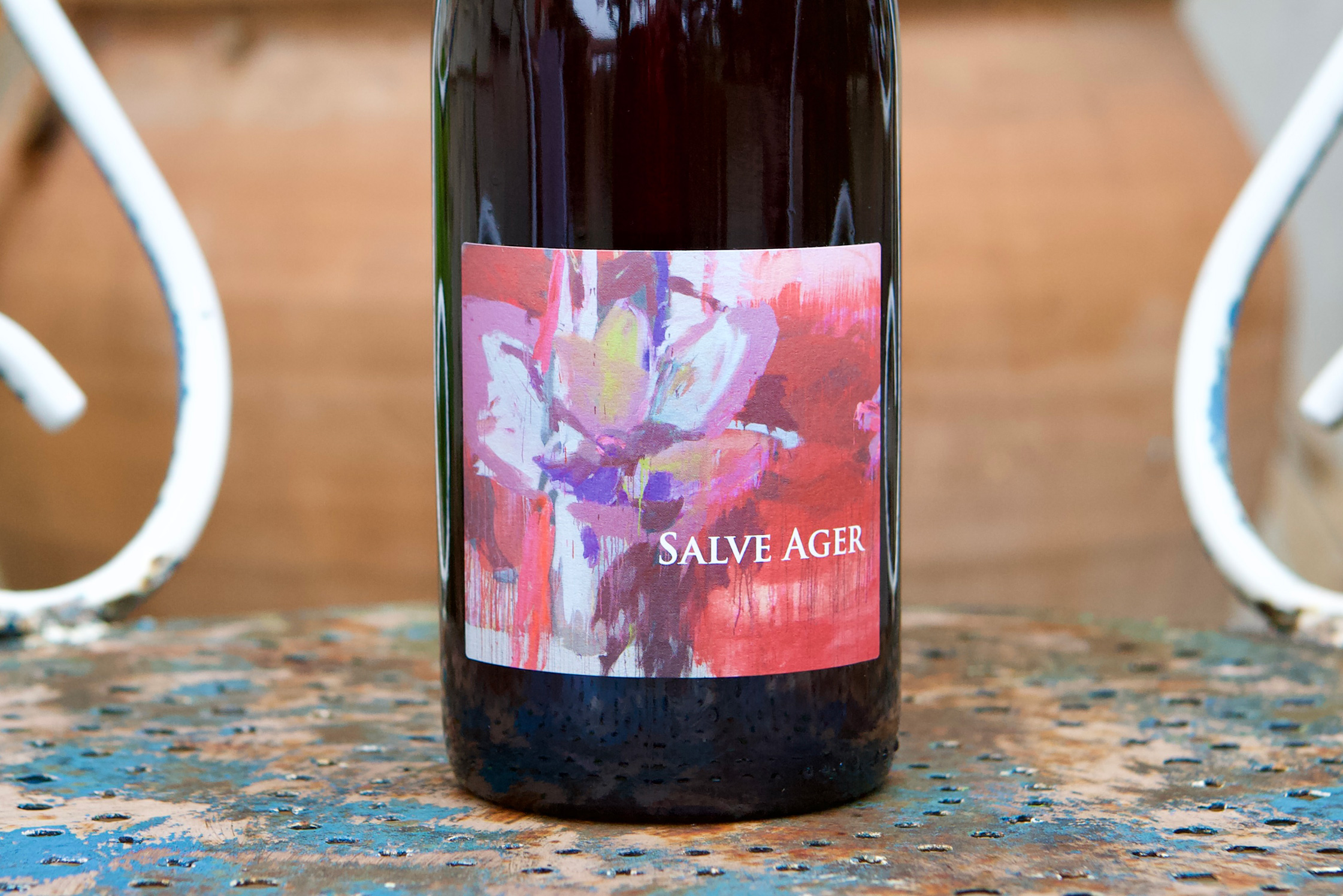
Mont de Marie - 2023 Salve Ager, Rouge
Out of stock
GROWER OVERVIEW
On the rocky limestone landscape of Souvignargues, directly west of Nîmes by 20 minutes, Thierry Forestier organically farms his twelve hectares of Carignan, On the rocky landscape of Souvignargues, directly west of Nîmes by 20 minutes, Thierry Forestier organically farms his twelve hectares of Carignan, Cinsault, Grenache, Ugni Blanc, and the rare aromatic and fine red, Aramon, on ancient alluvial soils of sandy clay, red iron-rich earth, flint, and rolled stones, with deeper conglomerates lending natural drainage and restraint. Cooled at night by descending air from the Gard’s Aigoual massif that complements the burning summer sun and the Mediterranean and African winds from the south, his stable of 70-year-old vines produces small, balanced harvests of taut, early picked fruit that retain their aromatic purity and delicacy. His love for nature shifted him from a career in tech to a life immersed in farming, foraging, and viticulture, where he observes, rarely touches, but finishes his wines with purposefully clean and precise craftsmanship. Across his cuvées the through-line is freshness and clarity, a conscious selection of fruit in its earliest ripening phase that flutters yet remains taut with bright lift and modest alcohols, especially for this southern French area known for intense summer heat, while still grounded by the wisdom of his old vines. Thierry’s commitment to preserving the region’s heritage varieties, especially Aramon, underpins his production of intricate terroir wines sans artifice.
VINEYARD DETAILS
Salve Ager comes from 95% Grenache and 5% Cinsault on 3 ha planted in 1955 at 120 meters of altitude on ancient alluvial soils of sandy clay, red iron-rich earth, flint, and rolled “poudingues” stones, with deeper conglomerates, facing west on gentle slopes.
CELLAR NOTES
Salve Ager was whole cluster with a 7-day natural infusion (no extractions) fermentation at 24–25 °C maximum before pressing, then aged 9 months in 80 hl concrete. No added sulfites, no fining and no filtration.
Other Mont de Marie Wines


More: Red wines similar to this one.
-
 Castello di Castellengo
2019 Il Centovigne, Coste della Sesia
$30.00 -
2022 Sansofi, Tinto
$72.00 -

2022 Santa Magdalener Classico, ‘Gran Marie’
$54.00 -
2023 Fleurie Les Deduits
$47.00 -
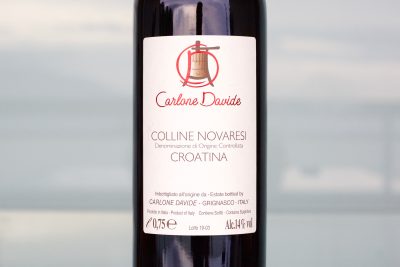
2020 Colline Novaresi, Croatina
$26.00 -
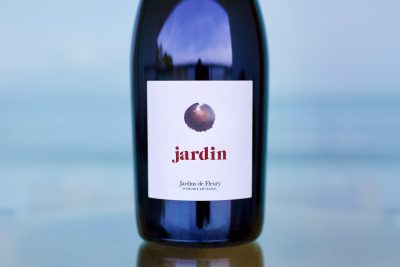
2023 Cabernet Franc, ‘Jardins’
$34.00 -
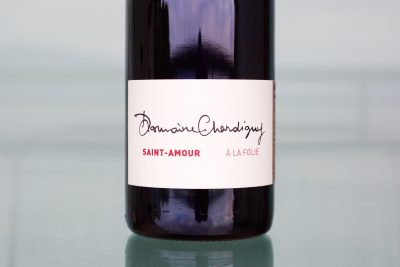
2021 Saint-Amour, A la Folie Lot 2
$30.00 -

2020 Barolo R56
$108.00 -

2021 Barolo, ‘Angela’
$68.00 -
2023 Vinho Tinto, Urç
$27.00 -
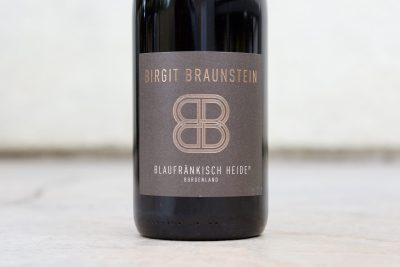
2019 Blaufrankisch, Heide
$23.00 -
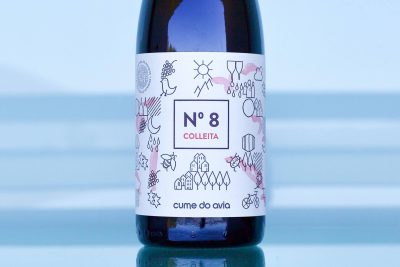
2021 Colleita 9, Tinto
$30.00 -
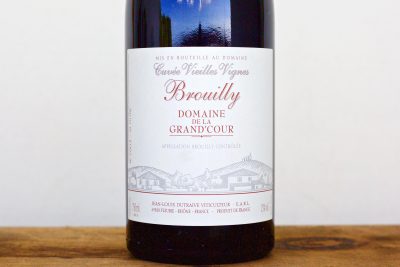
2023 Brouilly, Cuvee Vieilles Vignes
$51.00 -
2023 Chambolle-Musigny, 1er Cru Sentiers
$273.00 -
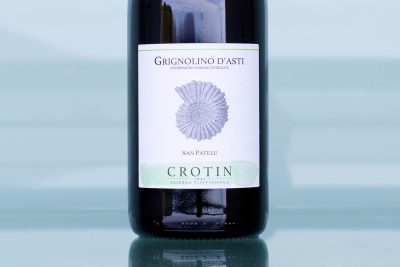
2022 Grignolino d’Asti, ‘San Patelu’
$25.00 -
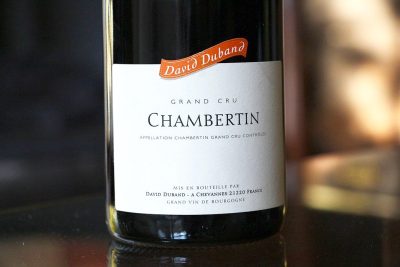
2023 Chambertin, Grand Cru
$840.00


