Short Summary
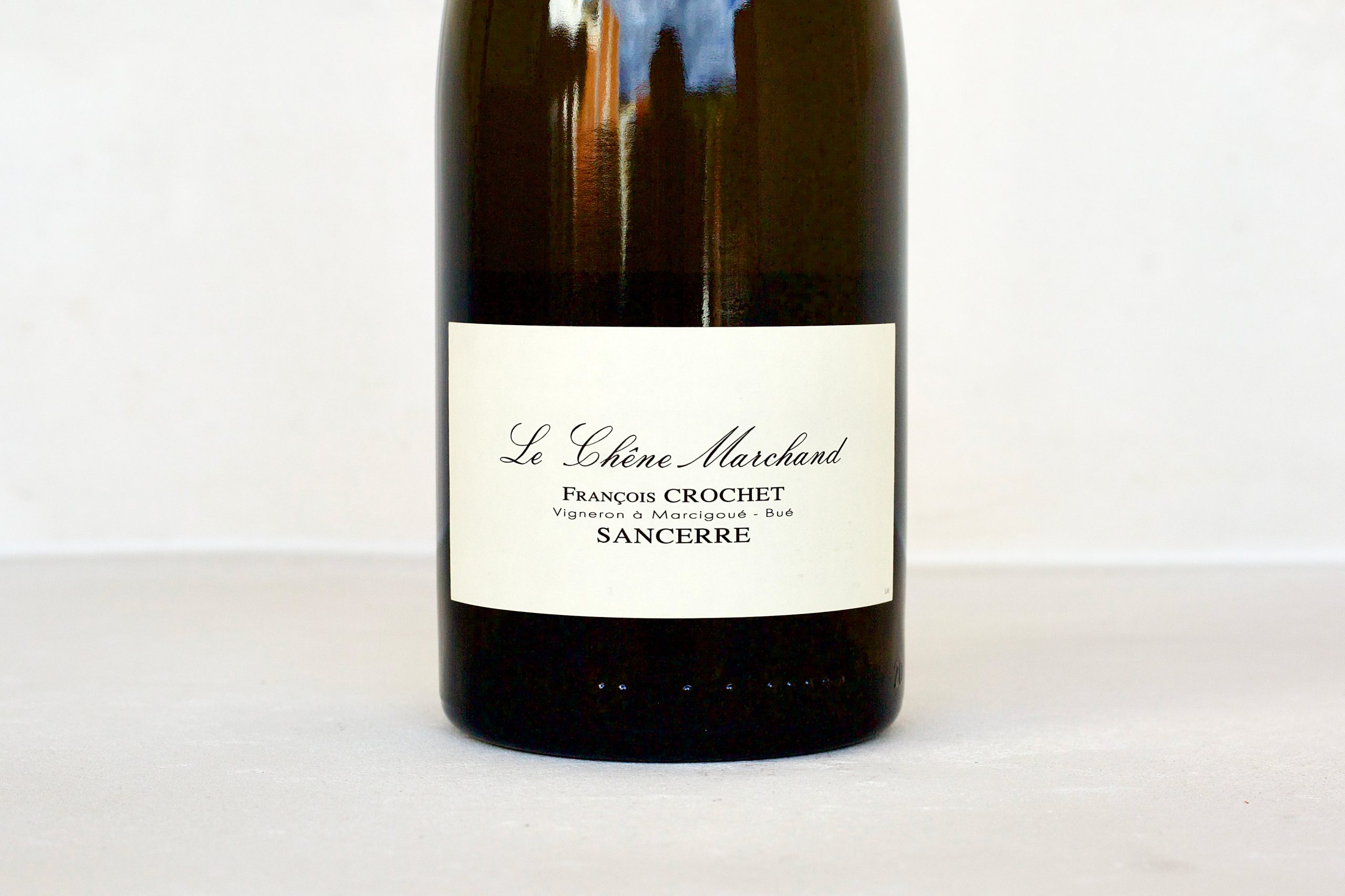
After enology studies and stints at many wineries (highlighted by Domaine Bruno Clair), François took over his father’s Sancerre winery in Bué. Approximately 11 hectares on 30 parcels display a range of aspects from flat to steep, and north to south. Most of the grapes are the lieux-dits Le Petit Chemarin, Le Grand Chemarin, Le Chêne Marchand and Les Exils. Organic certified and working with biodynamic methods, the terroirs range between Kimmeridgian limestone marls, silex, various other limestone formations, and iron-rich clay. He’s one of the first growers in the appellation to pick, and the whites are whole cluster pressed and fermented and aged in steel or old tronconic oak vats. François’ Sancerre Rosé made entirely from Pinot Noir undergoes a short maceration with the fermentation and aging in steel. While a master of white, his reds are also revered in his appellation and are fermented in stainless and aged in old tronconic oak vats. They’re unfined, lightly filtered, and contain added SO2.
Full Length Story
The first time I met François, he was very quiet. Then, I made the mistake of telling him that his French was articulate and very clear- a much easier accent to understand than those from the south of the France. He smiled, then an eruption of extremely intense French came at me like a philosophical freight train. His bright blue laser eyes dug in and his mouth was moving a mile a minute. It was that moment that I understood how intense of a perfectionist François is. He is one of the most passionate people I have ever met.
François graduated from the famous enology school in Beaune, France. After school, he cut his teeth by working at Domaine Bruno Clair. François took over his father’s winery not too long ago and has been turning heads everywhere, first in France and now here. He is one of the first to pick in Sancerre so the acidity of his wines rage. Counterintuitively, the wine doesn’t have the green pepper notes that one would expect from wines harvested so early. I don’t know how he does it, but the wine finds such a perfect balance of power, beauty and finesse.
Sancerre is one of the most famous places in France for white wine. It is located on the left bank of one of France’s most famous rivers, the Loire. Sancerre is one of the fastest selling wines in the market because they offer great value for the price. While Sancerre makes red wines from the Pinot Noir grape, it is most famous for the white Sancerre made from Sauvignon Blanc.
The Sancerre region sits on top of a series of hills and small valleys that were once under the ocean. The ocean deposited all sorts of calcium rich shells from ancient sea-life. In the case of Sancerre, the most famous rock here is called Kimmeridgian, which is made primarily of an ancient tiny sea creature that closely resembles today’s oyster. The rest of the vineyard land is a mixture of limestone marl, chalk and flint. One can also find quite a lot of red and brown clay soils that are clearly marked with a good dose of iron.