Short Summary
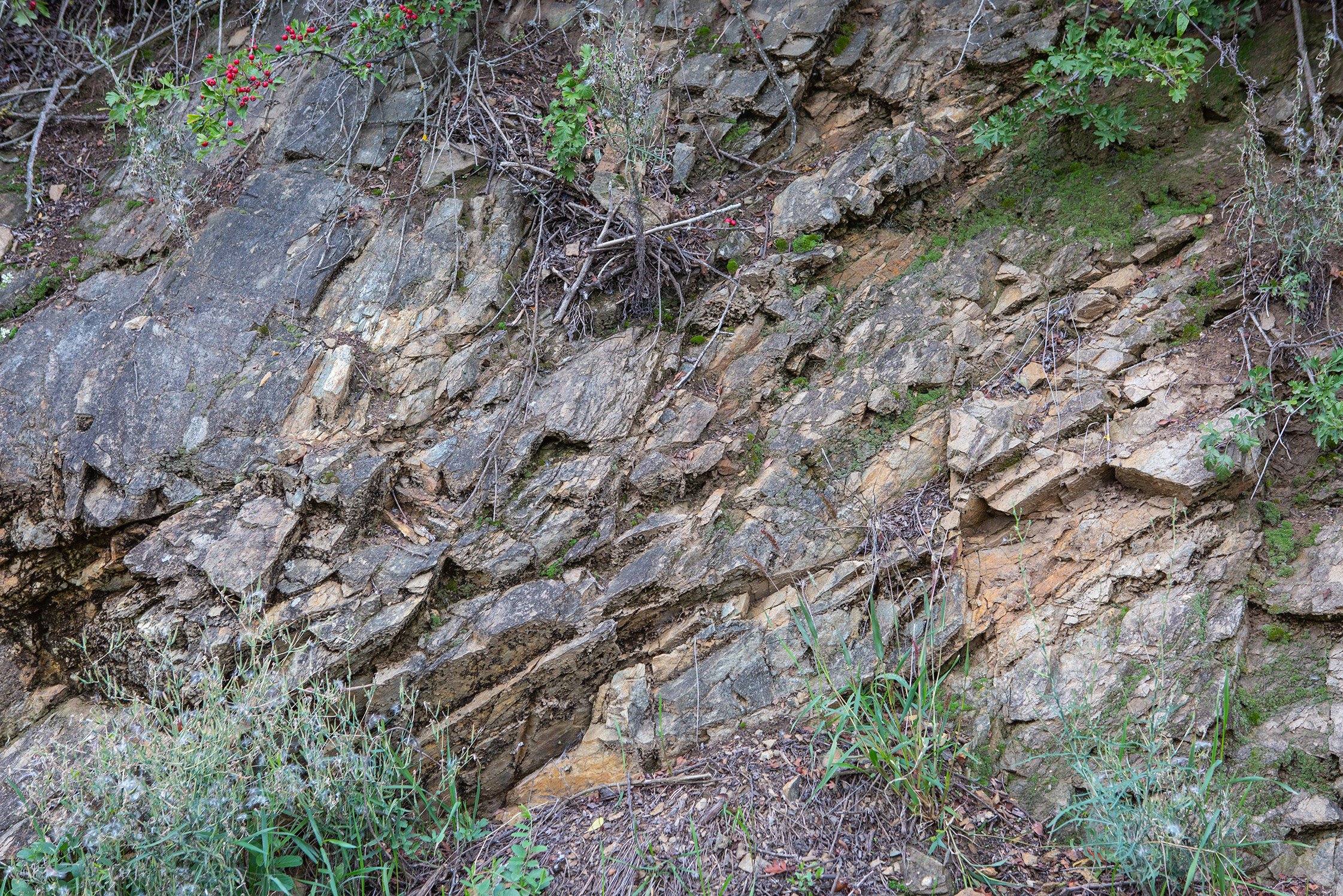
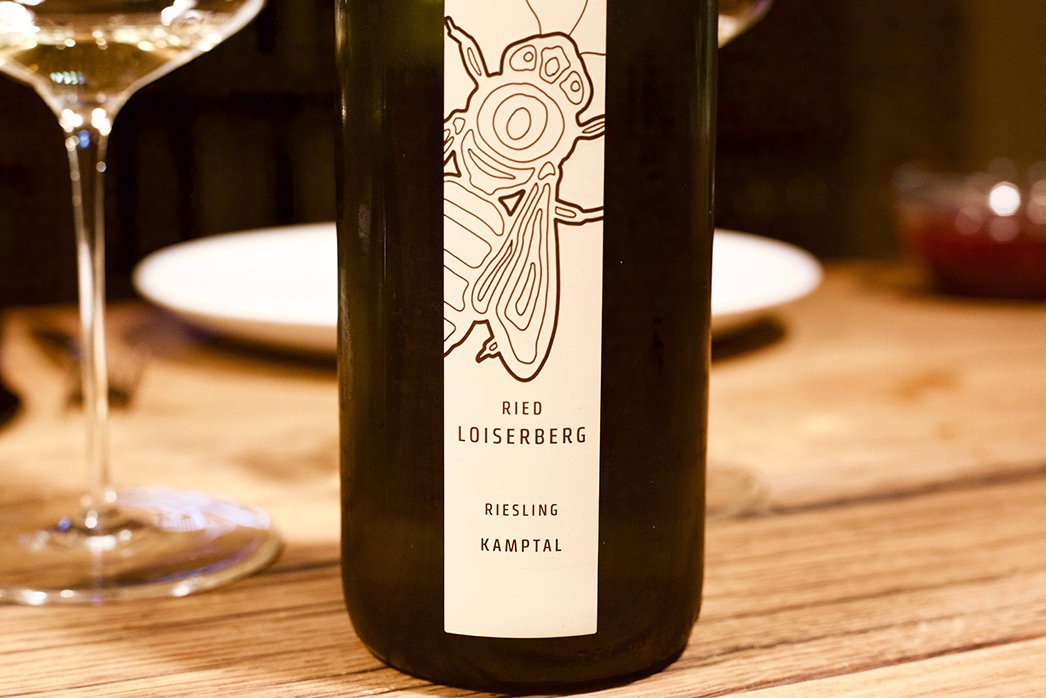
Davis Weszeli purchased top Kamptal vineyards in 2011 and was joined in 2015 by German-born winemaker, Thomas Ganser. Their vision for long cellar-aged wines and their farming is certified organic since 2020 and biodynamic conversion started in 2019. The climate is a tug-of-war between cold north winds and the eastern warm Pannonian winds. The soil and rock types are metamorphic, igneous and sedimentary.
Full Length Story
Some of the following content has been borrowed directly from Weszeli’s website.
A father of three, Davis Weszeli switched from the hustle and bustle of city life to agriculture in order to be closer to nature. His appreciate for the art of the Kamptal vintners early on led him to acquire the fabulous Summerer winery in 2011 from Rupert Summerer, a now retired and highly respected winegrower who put together a stable of very important parcels in some of this region’s most highly sought after vineyards.
Sustainability of organic viticulture (now certified organic and also practicing biodynamic farming) and the authenticity of the wines led Davis to a winemaking approach with no additives (outside of sulfites) and no technical tricks. Guided by each vineyard’s ecosystem in order to fully benefit from the potential of their terroir, Weszeli’s approach utilizes a combination of understanding for the old and proven, and even some unorthodox approaches to explore hidden layers of complexity not often found in young wines. Moving against the local tradition of short cellar aging, all of his top cru vineyards are uniquely aged for more than two years in large wood vats prior to bottling, rendering wines of true depth that accentuate what would typically be secondary and tertiary characteristics centered around savory components instead of big, youthful fruit. The results are intensely complex wines with an unparalleled style for the area.
The oenologist and winemaker, Thomas Ganser, with in-depth professional qualification acquired at the Krems School of Oenology and the University of Natural Resources and Life Sciences Vienna, joined in time for the 2015 harvest. Besides his extensive training, Thomas considers his direct global experiences, which included his tenure as the winemaker in a renowned, traditional Austrian winery, and in years prior from his time at wineries in New Zealand, Australia, and Chile. A nature and sport-loving German (build like a greek god statue) with an impeccable palate and a deep commitment to his work, Thomas has made an immense contribution to realize Davis’s vision for the Weszeli wines.
Lay of the Land
Long known to produce some of Austria’s finest white wines, the Kamptal is a unique valley region in Austria and one that varies in altitude between 200-400 meters. The summer days area hot, though with the warm Pannonian winds that meet the cooler Northwest winds, the nights cool down significantly, causing large diurnal fluctuations. The soil is primarily loess, gneiss, and clay, ideal for growing Gruner Veltliner and Riesling. The long growing season and sunny autumn days allow the grapes to reach full physiological maturity.
The thirty hectares of Weszeli’s Grüner Veltliner and Riesling ineyards are situated around Langenlois, the main township of the region. With a tradition of cultivating grapes and producing wine since 1679, Davis connects the old family knowledge with his own philosophy called Terrafactum, which implies that the vineyard itself, with its unique biological diversity, as their guide. As with many other nature-connected winegrowers, Davis is convinced that the true character of wine is formed through the interaction of flora and fauna in and around a vineyard. To best work with this natural setting and to disturb as little as possible, machines are only used in vineyards when necessary; whether it’s the care of the vines, the shortening of the leaves, or the harvesting, most steps through the growing season are performed by hand, including vineyard treatments in order to insure judicious applications where needed and nothing where it’s not. This kind of respect in the vineyards carries into cellar processes and is felt in each of their wines.